English Text (Summary)
On January 4, 2025, Curating School Seoul held its third session of Semester 0.5, titled “All the Schools (Again)”. This session, which had been postponed due to the Emergency Martial Law declared a month prior and its aftermath, took place on Saturday morning. In the afternoon, some of the in-person participants spontaneously organized a field study called “Slogans, Symbols, and Signs”. The field study was conducted near Hanganjin Station, where the presidential residence is located.

한국어 텍스트 (Scroll down to see English text)
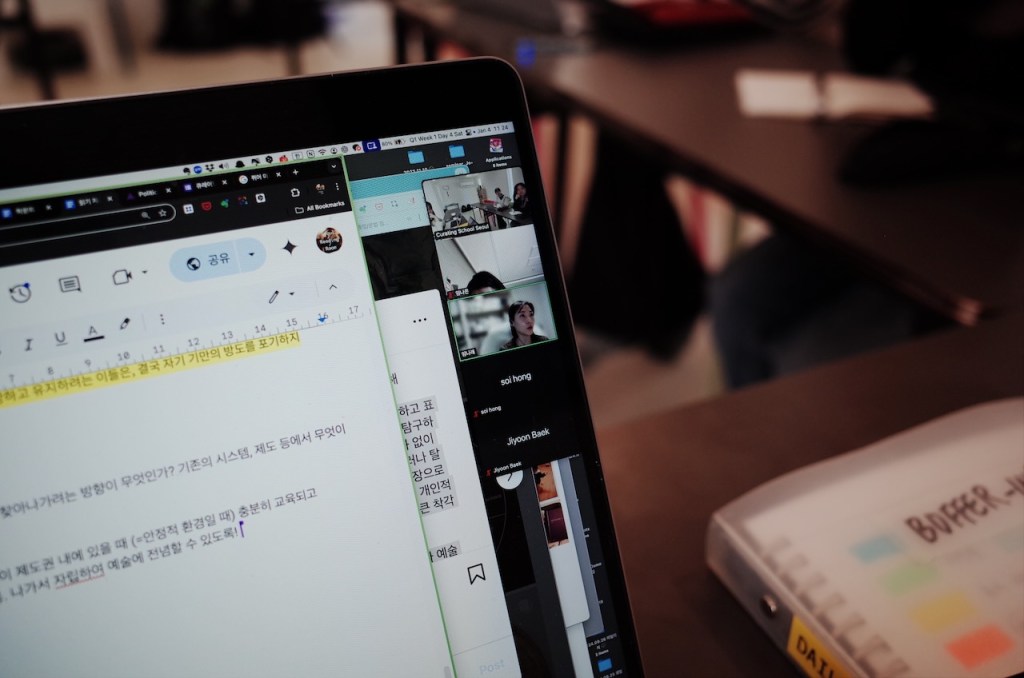
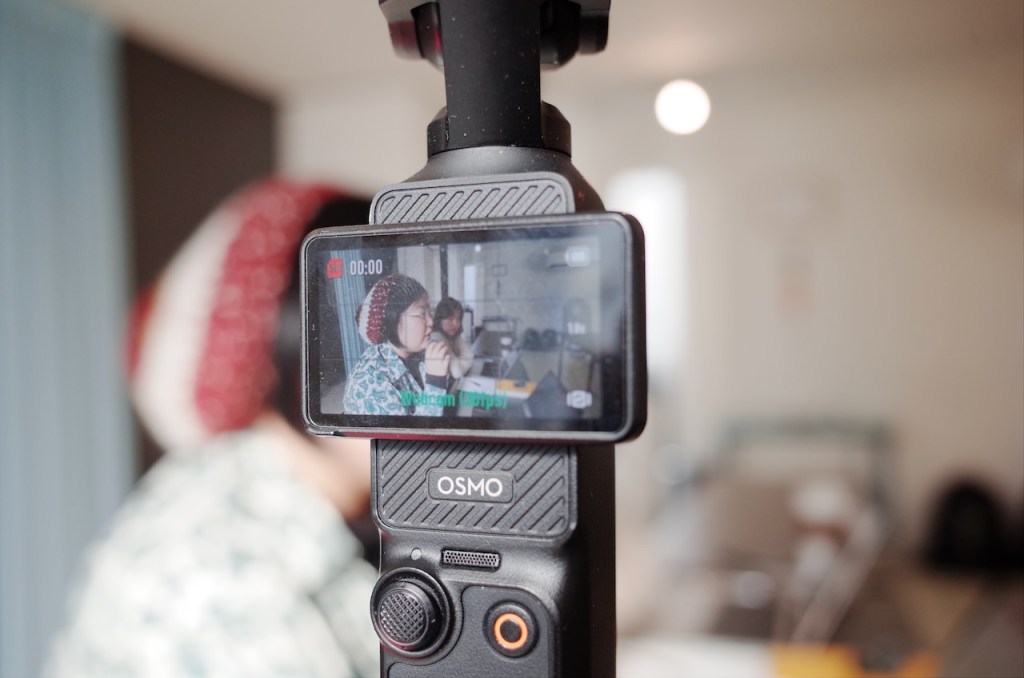
2025년 1월 4일 오전, 종로구 청운동에 자리한 “따스한 방“에서 “(다시) 온갖 학교들”을 진행했습니다. 온, 오프라인에서 나빈, 구나, 소이, 지윤, 나온, 나래, 재용, 은송, 세진이 참여했습니다.
수업을 하기 전 운영진이 번역한 두 개의 읽기 자료를 공유했습니다.

수업에서 오간 이야기 요약 (AI를 활용한 요약):
- 현대 예술 교육에 관한 이 논의는 제도권 내외의 균형 잡힌 접근의 필요성을 강조합니다. 제도권 밖으로만 나가려는 시도나 저항만으로는 한계가 있으며, 제도권 내에서 가능한 혁신적 방법도 모색해야 한다고 제시합니다. 특히 생존과 직결된 실용적 교육의 중요성을 언급하면서, ‘학원화’를 경계하되 실패를 허용하고 질문이 오가는 교육 공간을 만들어야 한다고 주장합니다. 서울의 예술 교육 현장에서 마주하는 현실적 문제들, 예를 들어 자기 작업을 스스로 고민하고 발전시켜 나갈 수 있는 능력을 키우는 교육의 필요성을 강조하며, 단순한 기술 전수가 아닌 진정한 예술적 성장을 위한 교육 방향을 모색합니다. 이는 ‘컨템퍼러리’가 사회와 맞닿아 있어야 한다는 관점과도 연결되며, 제도권의 자원을 창의적으로 ‘해킹’하는 방식도 제안합니다. 또한 수많은 워크숍과 프로그램들이 단순한 ‘메뉴판’이나 이력서의 한 줄로 끝나지 않도록 하면서, 동시에 참여자들의 자율성과 능동성을 존중하는 교육 모델을 지향합니다. 궁극적으로는 제도권 내외에서 각각 할 수 있는 것에 집중하면서, 교육 당사자들의 필요와 기대를 고려한 지속 가능한 대안적 교육 모델을 제시하고 있습니다.
수업에서 오간 이야기들의 단편을 공유합니다.
- “제도권 안에서 기존 제도와 다른 시도, 교육을 하려는 일이 얼마나 어려운가. 제도권 밖으로 나가는 것만이 답인가.”
- “대안을 찾으려고 할 때 제도권 밖으로만 나가려는 것을 많이 보았다. 하지만 제도에 대한 저항/반대만으로는 한계가 있다.”
- “제도권 내에서 가능한 것, 제도권 내에서’만’ 가능한 것도 모색을 해야한다. 힘들지만!”
- “전시로만 가능하지 않고 작업으로 할 수 있는 일을 더 많이 해야한다.”
- “‘컨템퍼러리’란 사회와 맞닿아있는 지점이 있어야 한다. 그것이 없거나 감추려고 하면 외양만 ‘컨템퍼러리’하게 된다고도 생각한다!”
- 챗GPT에게 웹검색 기능을 켜고 물어 본 질문 “Chinese art 에서 contemporary art 개념을 성립할 수 있게 한 Wu Hong의 논의 요약해서 소개해줘. 개조식으로 알려줘.”
- 임근준 비평가의 인스타그램 포스팅 https://www.instagram.com/p/DEWsD-EpNYj/ 일부를 인용:
- “서울의 아트스쿨에서 진리 탐구를 예술의 대전제로 삼아야 한다는 점을 강조해봐야 말이 통하지 않는 경우가 많다. 혁신적 예술을 통해 세상을 변화시키려는 의지로 아트스쿨에 진학한 이들은 극소수에 불과하기 때문이다. 다수는 인서울 대학 진학이라는 목표 아래 미술을 선택했으며, 현대예술의 가치는 그들에게 자기 부정의 불편한 요구일 뿐이다. 물려받은 정체성과 자아를 포장하고 유지하려는 이들은, 결국 자기 기만의 방도를 포기하지 않는다.”
- “재교육을 위해서 모인 사람들이 찾아나가려는 방향이 무엇인가? 기존의 시스템, 제도 등에서 무엇이 불만인가?”
- “함께 읽은 텍스트에서는 훨씬 큰 이야기를 하고 있지만, 서울에서 맞닥뜨리는 문제는 훨씬 더 현실적/생존과 관련되어 있다. 이를테면 살아남기 위한 상호교육, 나눔 등.”
- “우리는 작가가 자기 작업을 포트폴리오, 자기소개글로 작성해 나가는 법, ‘스스로 고민해서’ 해결해 나갈 수 있도록 하는 능력을 키워갈 수 있는 교육을 원한다.”
- “2024 9월 영아티스트데이 기금 포트폴리오전시의 토크의 주제는 ‘기금 제도’ 였다. 하지만 해외에서 활동 중인 한 한국 국적 예술인은 이 토크를 본 뒤 ‘큰일 날 소리’라고 했다.” https://www.arko.or.kr/artcenter/board/view/507?bid=266&cid=715481
- “영혼을 포기하지 않고 기금 지원서 쓰는 법(?) 같은 걸 공부해야 하지 않을까?”
- “기금에서 완전히 독립해서 살아가는 것이 가능한 현실이 아직은 아니다. 하지만, 공공기금을 자기가 운용해서 작업해나갈 수 있게끔 해나가는 것이 중요하지. 실행 기관이 직접 구체적인 팁을 전달하는 것. ‘모두가 잘 하게 되는 것’. 기금 제도는 경쟁을 전제로 하지만, 많은 사람들이 좋은 기금 지원서를 써내는 것이 결국 좋은 방향 아닐까?”
- “기금도, 예술교육도 다 ‘잘 하자’고 하는 일 아닌가? 더 적극적으로 요구하고, 제안을 만들고 공유하면 어떨까? 하는 생각이 든다.”
- “베니스 비엔날레의 몇몇 국가 파빌리온은 평가기준을 공개하고 정돈해서 알려주는 긴 비디오를 업로드 해두기도 한다. 기준과 기대를 공개하는 것.”
- 조금 다른 사례지만, 2024년 네덜란드 파빌리온에 대한 프리뷰 토론 https://www.youtube.com/live/-Ze8EFLpJw0?si=uH37OeQK49QC3en0
- “기금에 대한 오해가 문제다. 학교에서 ‘기금’에 대한 교육이 이루어져야 한다.”
- “기금이란 뭔가? 기금은 대체 어떤 의미인가?”
- “(한국에서 교육 받은 우리에겐) 통일되고 정돈된 결과물에 대한 압박이 있다! 벗어나려고 몸부림 쳐야하는 걸까? 한편, 두 읽기 자료의 사례들은 제도에 포섭되지 않으려고 하는 사례들인 것 같다.”
- “자기주도교육에서의 모순점: 어떤 프로그램을 만들 때 이미 제도화된 인간으로서 잘 다듬는 것과 공격받지 않을 지점을 고민하게 된다. 프로그램에 참여하는 사람들의 기대를 염두에 두고 있기 때문이라는 생각도 든다.”
- “수많은 워크숍들… 내용들은 다 좋지만… 이제 그 워크샵 하나하나가 일종의 메뉴판처럼 보이기 시작했다. 큐레이팅 스쿨 서울도 등록금 문제에 대한 이야기를 계속 하고 있지 않나?”
- “등록금 120만원이 ‘실비'(사실은 그렇게 해도 마이너스)인데, 이것마저 ‘가격을 책정’하는 순간 이게 서비스-상품이 되지 않나? 가 부담된다.”
- “School과 Politics of Study의 저자들 = 서유럽 저자들은 모든 것이 하이퍼-상품화된 서울을 경험하지 못한 것 같기도 하다”
- “참여자들이 꼭 결과물을 가져가야 한다고 생각하지는 않는다. 그렇지만 워크샵이나 프로그램이 호스트나 이끔이들의 CV 한 줄로 소비되고 끝나는 것처럼 보이게 되버리는 건 싫다.”
- “미술 공간, 기관, 프로그램들이 ‘학원화된다’라는 말을 들으면서, 학원이 나쁠까? 생각이 들었다. 제도권 안/밖의 문제라기보다… 안에 있으면 안에 있는대로, 밖에 있으면 밖에 있는대로 할 수 있는 것과 도움 받는 것의 절차가 다를 수 있기 때문에 그에 집중하는게 중요하다고 생각한다.”
- “내가 생각하는 ‘학교’란 이런 것이다: 학교라는 곳에서, 배움거리를 제공하는 측은 질문을 던질 수 있어야하고, 배우려고 모인 사람들은 질문에 의문을 제기하고 깊게 사고하고 있어야 한다.”
- “학원과 학교는 뭐가 다르지? 뭐가 다를까? 뭐가 달라야 할까? 혹은 사람들은 과연 (기존의) 학교를 ‘학교답다’라고 느끼는 걸까?”
- “큐레이팅 스쿨 서울이 함께 하고자 하는 사람들은 제도권 안팎의 모든 과정을 겪은 후에(도) 재교육을 받기 원하는 사람들이라는 걸 기억하는 것 매우 중요하겠다.”
- “제도권을 ‘해킹’하는 사례도 있다.”
- 한예종에서 진행된 팔레스타인 관련 상영회
- 계원예술대학교에서 진행한 프로젝트 하이파의 경우 https://www.instagram.com/project_haifa/
- “제도권 학생들 혹은 교수진을 ‘제도 해커’로 초빙해서 제도권 해킹을 해보는 건 어떨까…? 가지고 있는 것들(제도권의 자원)을 어떻게 다르게 활용할 것인가를 생각해본다면?”
- “큐레이팅 스쿨 서울도 어떤 면에서는 대안 교육. 제도권의 교육을 하지 않고 다른 교육을 하기 위해서 만든 큐레이팅 학습 모델이라면. 학교와 학원화되는 예술교육의 차이는 ‘실패’를 허용하느냐의 여부라고 생각한다. 그렇다면, 어떤 실패를 해도 되는지, 해야 하는지가 문제 아닐까?”
- “‘학원’이 되지 않기 위한 ‘장치’가 필요하다.”
- “단발성, 개별적 프로그램과 일정 커리큘럼을 가진 학교는 다르다. ‘실패’와 ‘성공’을 뭐라고 정의할 수 있을까. 연속성의 문제도 있다. 여러 문제로 프로그램이 중단된다면, 실패와 성공을 어떻게 가를 수 있을까?”
- “직접 커리큘럼을 설정하는 일은 설계자와 참여자의 이원화에서 오는 문제를 해결해주고 적극적인 참여/개입을 이끌어낼 것이라 생각. 이 다음에는 뭘 해야지라는 생각까지 나가더라.”
- “원하는 기금을 설계, 제안해보자 세션을 해보는 건? (성토가 아닌 제안으로서의 운동성을?)”
- “흥미로운 일을 해보고 싶은 사람을 모으고, 그것을 해나갈 수 있는 지원을 해주는 것. 그것이 제도권 밖에서 할 수 있는 교육이 아닐까. 그리고 무엇보다 참여자들을 믿어주는 것.”
- “큐레이팅 스쿨 서울이 학원같은 모습은 아니었으면 좋겠다. 실패와 성공을 ‘유보’와 ‘재개’라는 단어로 고쳐서 생각해보면 좀 더 건설적이고 희망적일까 싶었다. 학교는 질문이 왔다갔다 하는 공간. 실패해도, 유보하고 재개해보자를 모토로 한 학교.”
- “교육이라는 이름을 달고 있지 않더라도 교육이라고 느끼고 참여하는 행사/활동이 있다. 왜 여기에 우리만 앉아있어야 하지? 생각도 자주 한다. 그들도 이런 교육의 현장에 참여했으면 좋겠다!”
- “결국 교육 당사자의 문제. 누가 ‘대상’인가와, 누가 ‘진짜 당사자’인가는 구분되어야 할 문제다. 생산하는 사람과 소비, 향유하는 사람. 사용자. 수혜자는 무엇을 기대하는가? (그러고보니, 교육을 둘러싼 주체들/객체들을 지칭하는 용어들도 잘 정리해봐야겠다.)”
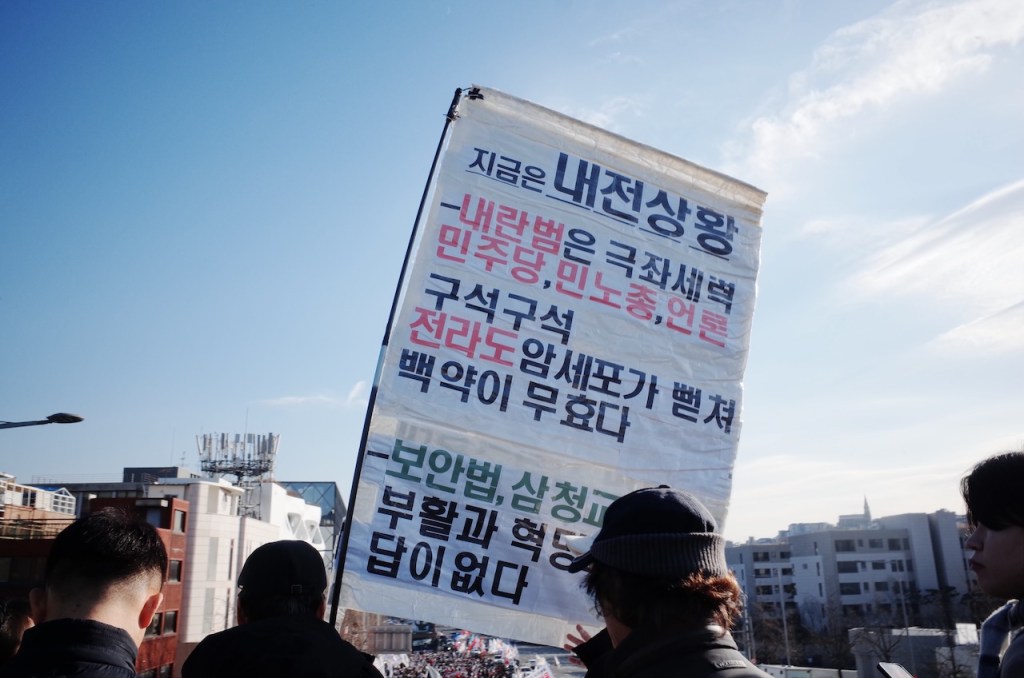
우리는 “교육이라는 이름을 달고 있지 않더라도 교육이라고 느끼고 참여하는 행사/활동”이라는 발언에 고무되어, 수업을 마친 후 즉석 현장 학습을 진행하기로 했습니다. 집회가 진행 중인 한강진역으로 함께 이동하기로 했고, 제목은 “구호, 기호, 그리고 상징”으로 붙여보았습니다.


On the morning of January 4th, 2025, we held “All the Schools (Again)” at “Warm Room” located in Cheongun-dong, Jongno-gu, Seoul. Nabin, Guna, Soi, Jiyun, Naon, Narae, Jaeyong, Eunsong, and Sejin participated both online and offline. Before the class, the organizing team shared two translated reading materials:
- Politics of Study (2015) – Introduction (Korean translation) > Google Docs link
- School (2017) – Introduction (Korean translation) > Google Docs link
The following paragraph is an AI-assisted summary of the session:
- This discussion on contemporary art education emphasizes the necessity of a balanced approach both within and outside institutional frameworks. While noting that merely operating outside institutions has its limitations, it suggests exploring innovative methods within institutional frameworks. The discourse highlights the importance of practical education linked to survival, arguing for educational spaces that, while guarding against becoming mere ‘cram schools’, allow for failure and encourage the exchange of questions. In Seoul’s art education landscape, it addresses practical challenges, emphasizing the need for education that enables artists to independently develop their work, seeking directions beyond mere technical training to foster genuine artistic growth. This connects with the view that ‘contemporary’ art must interface with society, while suggesting creative ways of ‘hacking’ institutional resources. Ultimately, it proposes an alternative educational model focusing on what can be achieved both within and outside institutional frameworks, while respecting participants’ autonomy and considering the needs of educational stakeholders.
Here are some fragments of the classroom discussion:
- “How difficult it is to attempt different approaches and education within the institutional system. Is going outside the system the only answer?”
- “I’ve often seen people trying to find alternatives by only looking outside the system. But there are limitations to only resisting/opposing the system.”
- “We need to explore what’s possible within the system, and what’s ONLY possible within the system. Though it’s difficult!”
- “We need to do more work that isn’t just limited to exhibitions.”
- ‘Contemporary’ art should have points of contact with society. If these points don’t exist or are hidden, I think it becomes only superficially ‘contemporary’!”
- ChatGPT question with web search enabled: “Summarize Wu Hong’s discussion that helped establish the concept of contemporary art in Chinese art. Please list in bullet points.”
- Quote from critic Lim Geun-jun’s Instagram post https://www.instagram.com/p/DEWsD-EpNYj/:
- “In Seoul’s art schools, emphasizing that truth-seeking should be art’s primary premise often falls on deaf ears. Very few enter art school with the will to change the world through innovative art. The majority chose art under the goal of entering a Seoul university, and contemporary art’s values are merely uncomfortable demands for self-denial to them. Those who want to package and maintain their inherited identity and self ultimately don’t give up their means of self-deception.”
- “What direction are people gathering for re-education trying to find? What are they dissatisfied with in existing systems and institutions?”
- “The texts we read together discuss much bigger ideas, but the problems we face in Seoul are much more practical/survival-related. For instance, mutual education and sharing for survival.”
- “We want education that develops artists’ ability to write their own portfolios, artist statements, and ‘figure things out on their own.’”
- “The topic of the 2024 September – Young Artist Day Portfolio Show talk (organized by the Arts Council Korea) was ‘funding systems.’ However, a Korean colleague working abroad said after watching the talk – that it was ‘alarming.’” https://www.arko.or.kr/artcenter/board/view/507?bid=266&cid=715481
- “Shouldn’t we study something like ‘how to write grant applications without losing your soul’?”
- “It’s not yet realistic to live completely independent from funding. However, it’s important to learn how to operate public funds for your work. The implementing agency directly providing specific tips. ‘Everyone becoming good at it’. Although the funding system presupposes competition, isn’t it ultimately better if many people can write good grant applications?”
- “Aren’t both funding and art education about ‘doing well’? I wonder if we should make demands more actively, create and share proposals?”
- “Some national pavilions at the Venice Biennale upload long videos explaining and clarifying their evaluation criteria. Making standards and expectations public.”
- Though a different case, 2024 Netherlands Pavilion preview discussion https://www.youtube.com/live/-Ze8EFLpJw0?si=uH37OeQK49QC3en0
- “Misunderstanding about funding is the problem. Schools should provide education about ‘funding.’”
- “What is funding? What does funding really mean?”
- “(Those of us educated in Korea) face pressure for unified and organized results! Should we struggle to break free? Meanwhile, the examples in the two readings seem to be cases trying not to be co-opted by the system.”
- “Contradiction in self-directed education: When creating a program, as already institutionalized humans, we end up considering how to refine it well and avoid criticism. I think it’s because we keep participants’ expectations in mind.”
- “All these workshops… the content is all good but… now each workshop is starting to look like items on a menu. Isn’t Curating School Seoul also constantly talking about tuition fees?”
- “1,200,000 Korean Won tuition is ‘at cost’ (actually still minus), but even this becomes concerning – doesn’t it become a service-product the moment we ‘set a price’?”
- “The authors of School and Politics of Study = Western European authors seem not to have experienced hyper-commodified Seoul”
- “I don’t think participants necessarily need to take away results. But I don’t like when workshops or programs seem to end up just being consumed as a line on the hosts’ or organizers’ CVs.”
- “When hearing that art spaces, institutions, and programs are ‘becoming like hagwons (private academies)’, I wondered if hagwons are really bad? Rather than being inside/outside the system… I think it’s important to focus on the different procedures for what you can do and get help with, whether you’re inside or outside.”
- “This is what I think a ‘school’ is: In a school, those providing learning materials should be able to pose questions, and those gathered to learn should question those questions and think deeply.”
- “What’s different between hagwons (private academies or cram schools) and schools proper? What should be different? Or do people really feel that (existing) schools are ‘school-like’?”
- “It would be very important to remember that the people Curating School Seoul wants to work with are those who want re-education after (and despite) going through all processes inside and outside the system.”
- “There are cases of ‘hacking’ the system.”
- Palestine-related screenings at Korea National University of Arts
- Project Haifa at Kaywon University of Art & Design https://www.instagram.com/project_haifa/
- “How about inviting institutional students or faculty as ‘system hackers’ to try hacking the system…? What if we think about how to use existing resources (institutional resources) differently?”
- “Curating School Seoul is also alternative education in some ways. If it’s a curating learning model created to provide different education rather than institutional education. I think the difference between school and hagwon-ized art education is whether failure is allowed. Then, isn’t the issue what kind of failure is allowed, or should be allowed?”
- “We need ‘devices’ to prevent becoming a ‘hagwon.’”
- “One-off, Individual programs and schools with certain curricula are different. How can we define ‘failure’ and ‘success’? There’s also the issue of continuity. If a program is discontinued for various reasons, how can we distinguish between failure and success?”
- “I think setting the curriculum directly helps solve the problem of dualization between designers and participants and leads to active participation/intervention. It even leads to thoughts about what to do next.”
- “How about having a session on designing and proposing desired funding? (As a movement of proposals rather than complaints?)”
- “Gathering people who want to do interesting things and supporting them to do it. Maybe that’s the education possible outside the system. And above all, trusting the participants.”
- “I hope Curating School Seoul doesn’t become hagwon-like. I thought it might be more constructive and hopeful to think about failure and success in terms of ‘suspension’ and ‘resumption’. School is a space where questions go back and forth. A school with the motto of trying suspension and resumption even if we fail.”
- “There are events/activities that feel like education and that we participate in even without the name of education. I often think, why should only we be sitting here? I wish they would participate in these educational sites too!”
- “Ultimately it’s an issue of education stakeholders. The question of who is the ‘target’ and who is the ‘real stakeholder’ needs to be distinguished. Producers and consumers, enjoyers. Users. What do beneficiaries expect? (Come to think of it, we should also organize the terms referring to the subjects/objects surrounding education.)”
Inspired by the comment about “events/activities that we feel are educational and participate in even without being labeled as education,” we decided to conduct an impromptu field study after class. We agreed to move together to Hanganjin Station where protests were taking place, and named the session “Slogans, Symbols, and Signs.”

 Curating School Seoul 큐레이팅 스쿨 서울
Leave a comment